
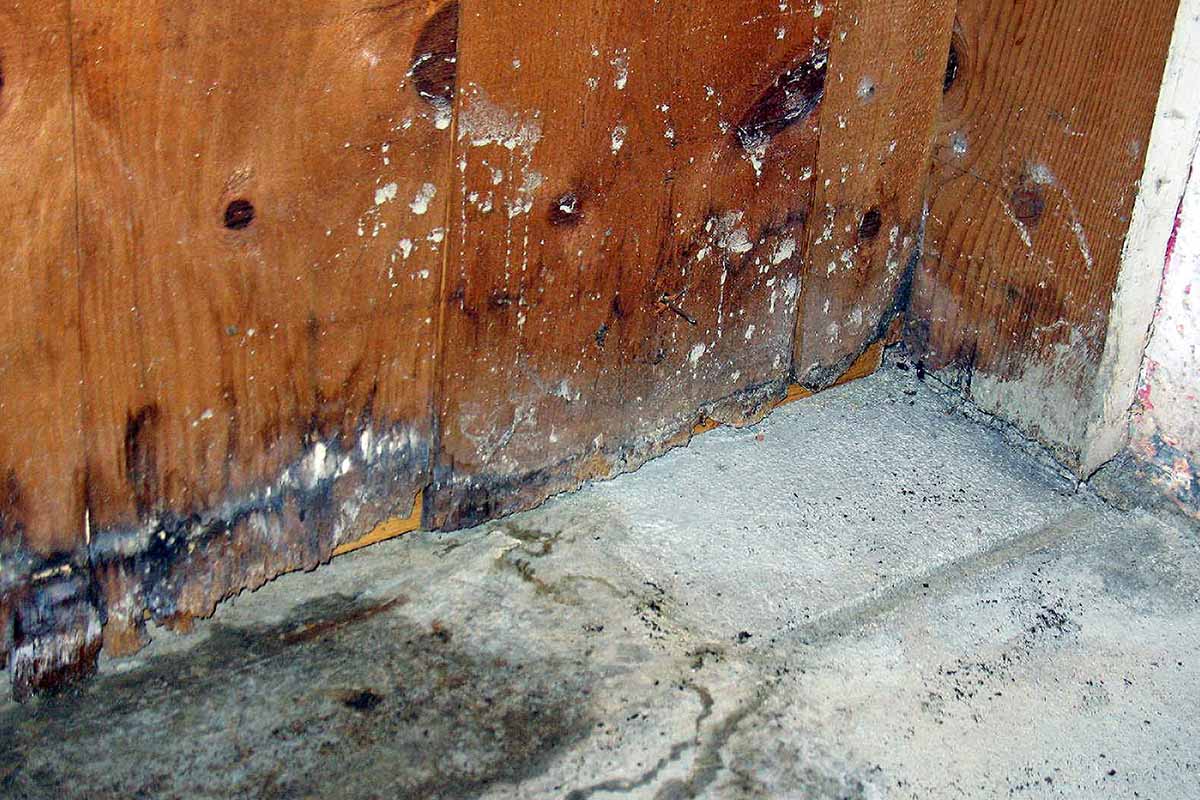
Moldy Basements: Causes, Risks, and Solutions
If you are not in your basement or crawlspace on a regular basis, checking for mold periodically is a good idea. Most people will notice mold in the living areas of their home quickly. However, mold in basements often has longer to grow simply because it goes unnoticed in this rarely traffic part of your house.
Mold in the basement is not only unsightly, it can be a health hazard. As water evaporates into the air, it can carry mold spores with it through the basement and into your home. Due to the laws of thermodynamics, much of the air in your basement or crawl space eventually ends up in your living space as warm air rises and this warm air can carry mold spores into the air in your home.
Signs of Mold in Your Basement
One of the most common places for mold to grow is in the basement. Basements are often damp and dark, which creates the perfect environment for mold to thrive. There are a few different ways to tell if you have mold in your basement.
- First, you may notice a musty odor. This is caused by the mold releasing spores into the air.
- Second, you may see black or green spots on walls or floors. These spots are usually fuzzy or slimy and can spread rapidly.
- Finally, you may experience allergy-like symptoms, such as coughing, sneezing, and watery eyes when you are in the basement.
If you suspect that you have mold in your basement, it is important to have it removed as soon as possible. Mold can cause serious health problems, so it is best to err on the side of caution.
Is It Safe To Live In A House With Mold In The Basement?
All mold can present health hazards and is dangerous, especially to the very young, elderly, and those who are immunocompromised or have compromised respiratory systems. Living with mold in your basement for an extended period of time can put your family's health at risk and should be addressed sooner rather than later. If your basement has that “musty” smell, it’s typically a sign that mold and/or mildew are present.
Even if you experience no health symptoms from mold in the basement, it’s important to remember that mold is a living organism that can begin to destroy the surface on which it lives. The good news is that with the proper treatment, mold can be removed and prevented from recurring.
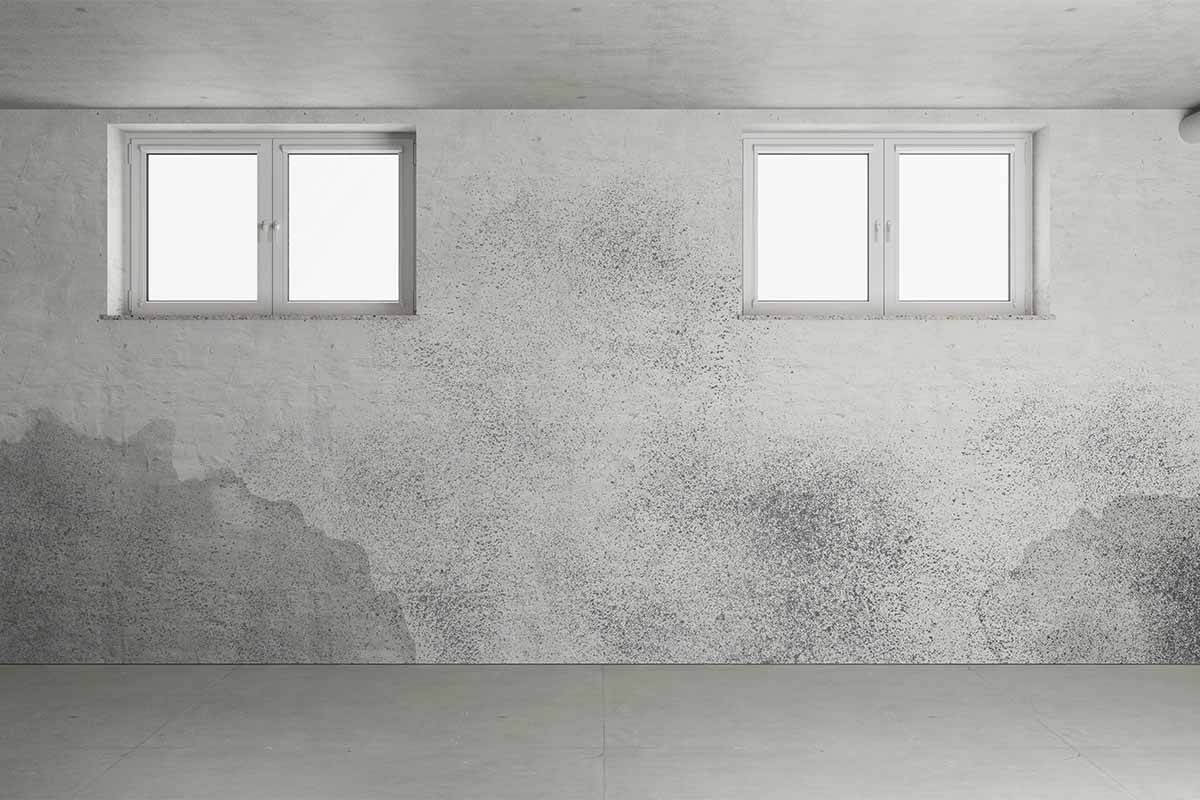
What Causes Mold In The Basement or Crawlspace?
Mold forms from excess water in your basement or crawlspace. It’s easy to see how water can enter your basement if you have experienced flooding that is caused by a torrential rain storm, bursting pipes, an overflowing washing machine, or a failed sump pump. However, water can also form from a leaking foundation issue (water coming up through the floors or walls) and even from excessive humidity.
Additionally, since there is less sunlight and airflow in your basement, it makes an environment that is ripe for mold growth
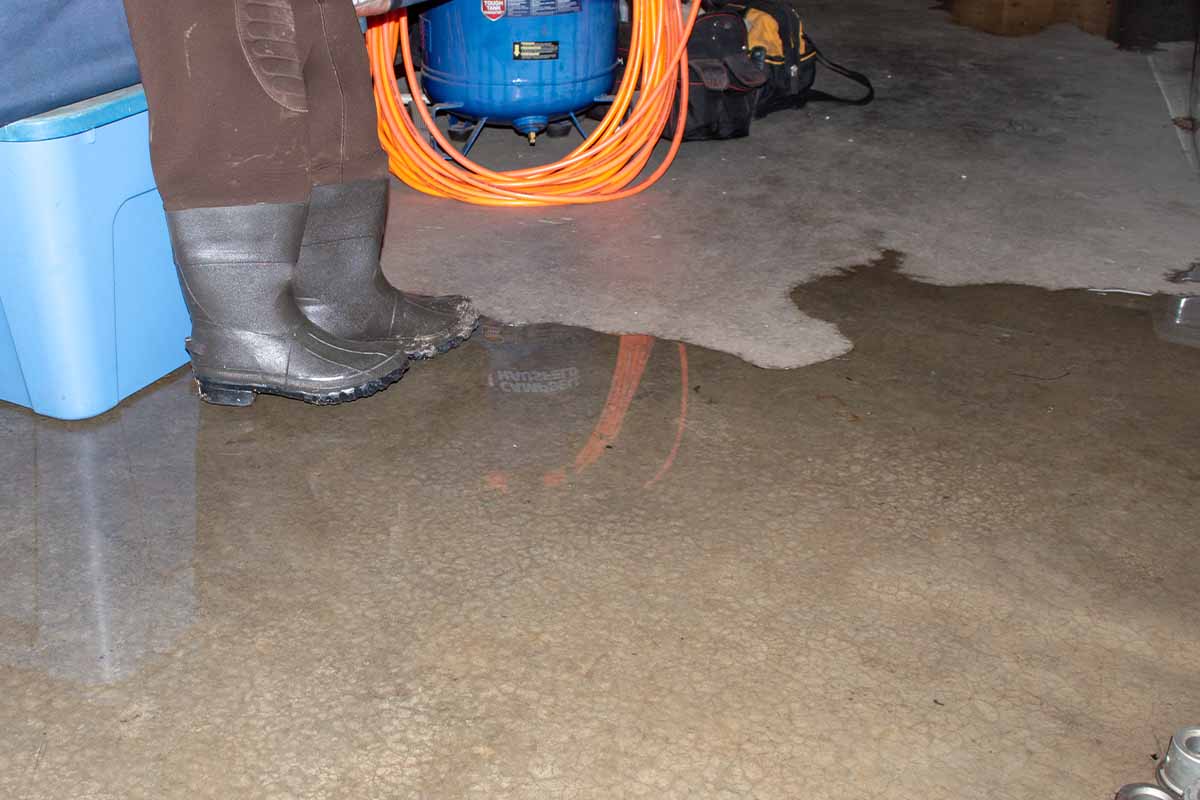
How Do You Get Rid of Mold In The Basement or Crawlspace?
Determining the cause of the mold is the first step. Since there can be a variety of factors that lead to mold, it’s best to get a free inspection from a foundation professional or mold remediation company.
If you recently had a flooded basement, removing all waterlogged items and setting up box fans to help dry out the area can help. If your mold is caused by high humidity, installing a dehumidifier can help mitigate mold. There are also solutions for crawl spaces such as vapor barriers and encapsulation that reduce/eliminate moisture beneath your home. For foundations that have cracks/leaks that are allowing water to enter the basement, a variety of solutions exist including interior drain tiles [link], and exterior drainage [link] systems among others. A professional can help you find the solution that will work best to protect your home.
If you are experiencing mold in your home, My Foundation Repairs can connect you with an expert to diagnose the mold [link to contact form] in your basement or crawl space and provide a long-term solution.
When to Call a Professional
If you have mold in your basement, it's important to take care of the problem as soon as possible. Mold can cause allergic reactions and respiratory problems, and it can also lead to structural damage if left unchecked. While there are some do-it-yourself mold removal products available, it's often best to call a professional for help.
A professional will be able to assess the situation and find the source of the mold, as well as identify any underlying issues that may be contributing to the problem. They will also have the necessary equipment to safely and effectively remove the mold from your basement. So if you're dealing with a mold problem, don't hesitate to call a professional for help.
Selling Your Home? Here’s What a Wet Basement Could Cost You
Selling Your Home? Here’s What a Wet Basement Could Cost You So you’re selling your home. Congratulations! You’ve gotten everything ready. You cleaned up the kids’ playroom, replaced the carpet the dog chewed up, and even painted the 1970s orange kitchen. You put your house on the market and are ready to turn a profit. […]
How Is Water Getting Into My Basement?
No one likes to walk down their basement stairs and realize that the floor is wet. This is doubly true if you have a finished basement. Your first thought might be “Where did this water come from?” The answer varies. Each comes with its own set of likely causes and waterproofing fixes. 1. Plumbing Problems […]
Waterproofing Your Home This Spring
Spring brings warmer weather—but it also brings heavy rain, melting snow, and increased groundwater. If you’ve noticed water leaking, damp basement walls, or puddles forming in your basement or crawl space, it may be time to consider professional waterproofing. Water intrusion isn’t just an inconvenience. Over time, it can weaken your home’s structure, damage belongings, […]