
Sunken concrete around your home or business is a trip hazard and a drainage problem you should not ignore. One of our certified contractors can lift the slab back to level with expanding foam, usually in a single visit and without tearing anything out.
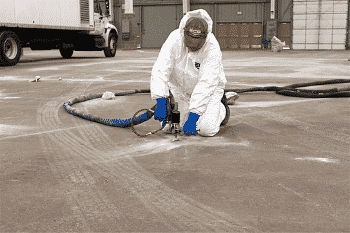
My Foundation Repairs makes sunken concrete easy to fix. We connect you with a certified contractor in your area who inspects the slab, prices the lift, and does the work backed by ECP’s foundation products. Request a free estimate today.
Concrete leveling is the process of raising a sunken concrete slab back to its original position instead of replacing it. A contractor lifts the slab from below, fills the empty space under it, and leaves you with a safe, even surface again.
It works on most uneven concrete around a property, and it costs less and takes less time than a full replacement. Handled early, a concrete repair like this keeps a small dip from turning into a major rebuild. If a driveway, walkway, or patio has started to sink, lifting it is usually the first option worth pricing.
Sinking rarely stays hidden for long. It shows up first in the flat concrete you use every day, and it tends to get worse as water keeps moving the soil underneath. Here is where homeowners and property managers notice it most.
Sunken Driveway
Concrete driveways often drop near the garage or the street where water collects. Lifting the slab removes the lip that becomes a trip hazard.
Uneven Sidewalk
A sunken sidewalk is a trip hazard and can pool water that freezes in winter. Leveling brings the sections back flush with each other.
Sinking Pool Deck
A pool deck that has settled leaves gaps and an uneven surface around the water. Foam can raise it without disturbing the pool.
Uneven Garage Floor
A garage floor that slopes or has dropped can crack and let water seep in. Lifting it restores a flat concrete floor for parking and storage.
Cracked Patio
A patio that has settled unevenly cracks under its own weight. Leveling closes the gaps and stops further movement.
Settling Concrete Steps
Concrete steps that have tilted or pulled away from the house are a fall risk. A contractor can raise and re-level them.
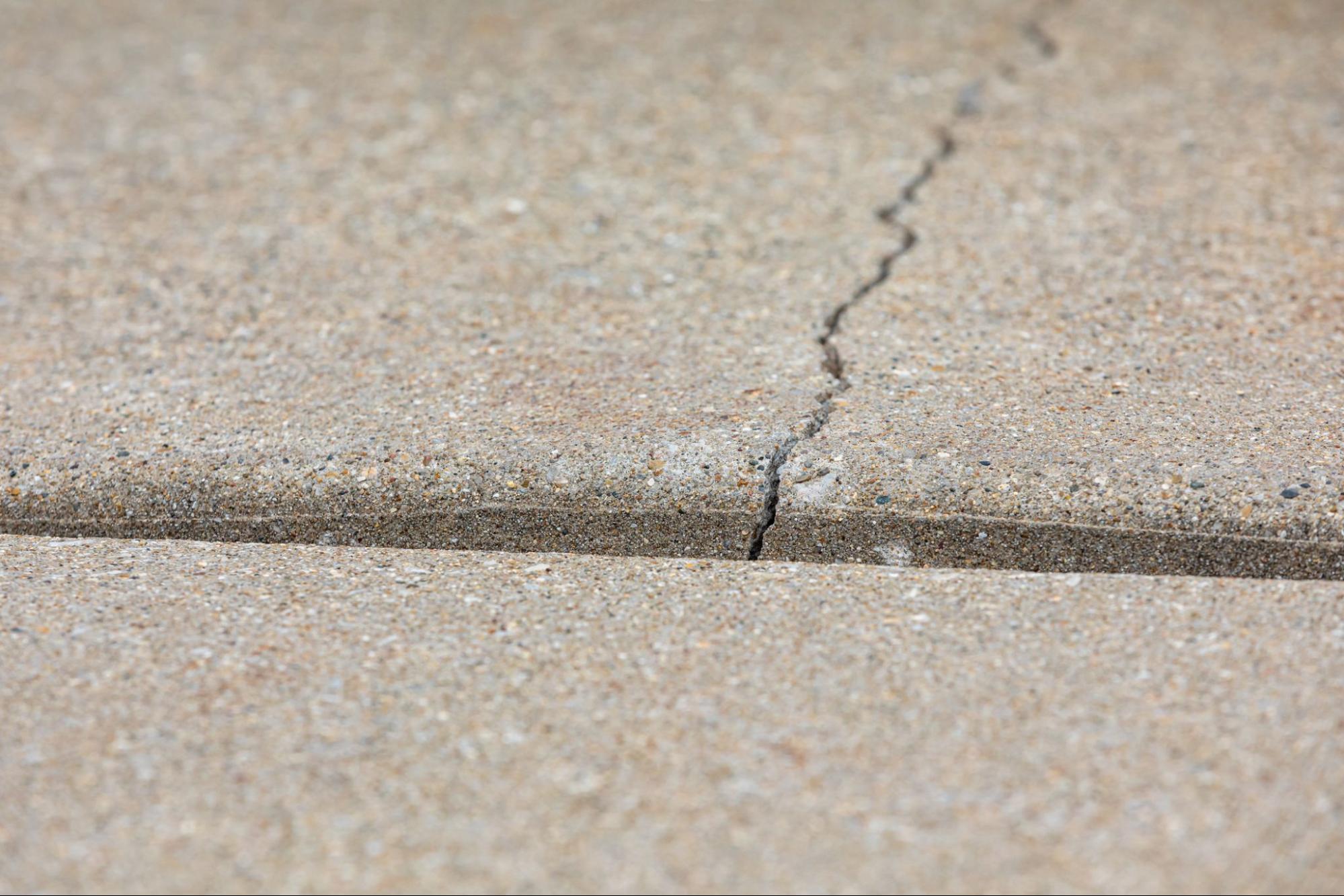
Water moving under a concrete slab carries soil away and leaves empty space. With nothing solid underneath, the concrete drops into the gap. This washout and soil erosion is one of the most common reasons a slab sinks.
Poor compaction is another cause. When the soil was not packed well before the original pour, it keeps settling for years, and the slab sinks as the ground compresses.
Expansive soil adds to the problem. Soil that shrinks and swells with moisture lifts and drops a slab as the seasons change, and poor drainage or other water problems speed up the damage.
The main method for concrete raising today is polyurethane foam injection, also called polyjacking. A contractor drills small ports through the slab, injects the foam, and it expands to fill voids and raise the slab back to level. The ports are patched, and the concrete surface is usually ready to use the same day. This is one of the advanced techniques that has largely replaced older methods.
Foam Lifting
High-density polyurethane foam goes in through small ports and expands under the slab. It handles the void filling and lifts the concrete evenly back to its original position with little mess in the surrounding area.
PolyPier by ECP
PolyPier, the two-part concrete lifting foam from Earth Contact Products, is what many contractors in the network use for a precise, long-term solution.
Residential Leveling
Driveways, walkways, patios, steps, and garage floors all respond well to foam lifting at a typical home.
Commercial and Industrial
For a commercial property, warehouse, or parking area, foam supports heavier loads without adding weight to the weak soil below.
Foam Versus Traditional Mudjacking
Traditional mudjacking pumps a heavy Portland cement slurry under the slab. A Portland cement mix works, but it is heavier and can press on the same soil that failed.
When to Replace Instead
Badly cracked or crumbling concrete may need concrete replacement rather than lifting. A contractor will tell you honestly which one makes sense.
Most foam jobs finish in a few hours, and the concrete is usually ready to use the same day. A larger commercial property project can take longer. Your contractor can give you a firm timeline during the on-site inspection.
In most cases, yes. Lifting costs less than concrete replacement because there is no demolition, hauling, or new pour. A contractor can give you a free quote after seeing the slab.
Polyurethane foam is water-resistant and does not wash out or compress, which means a properly installed lift is a long-term solution that holds up for years. Ask your contractor about warranty coverage.
Concrete settles when the soil under the slab washes away, was poorly compacted, or shrinks and swells with moisture. Soil erosion and drainage problems are the usual causes.
Many sunken slabs can be raised, but a badly cracked sunken concrete slab may need full slab replacement instead. An inspection is the only way to know for sure.