
Signs of Crawl Space Problems
Approximately 15 percent of homes in the United States have crawl spaces as a foundation. Crawlspaces not only provide a foundation for the home, but they also supply an important buffer between the ground and the house above it.
Many crawl spaces are vented to the outside in order to allow air to circulate below the house. However, when moisture from the air, or the ground accumulates in the crawl space, it can have detrimental effects on the structure of the home and the air quality inside the property.
So how do you know if you have problems in your crawl space? There are several common signs of crawl space problems.
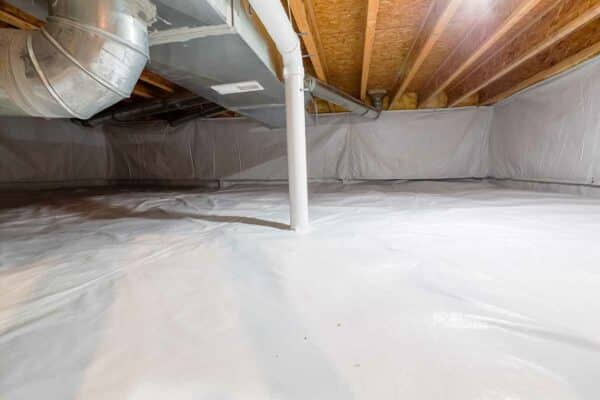
Is Your Crawl Space Failing? Look for these 7 signs:
-
Standing water or high humidity
-
Musty, earthy odors in the living area
-
Visible mold or mildew growth
-
Sagging or "bouncy" floors
-
Sticking windows and doors
-
Increased energy bills
-
Pest infestations
Moisture and Standing Water In The Crawl Space
Standing water is a "red flag" for your foundation’s health. Whether it is a puddle in one corner or a completely flooded floor, moisture typically enters through three main channels: surface water from rain, plumbing leaks, or hydrostatic pressure (groundwater pushing through foundation walls).
When standing water is present, your fiberglass insulation acts like a giant sponge. Wet insulation is heavy and ineffective, losing up to 40% of its R-value. This trapped moisture sits directly against your wooden floor joists, creating the perfect environment for rapid wood rot.
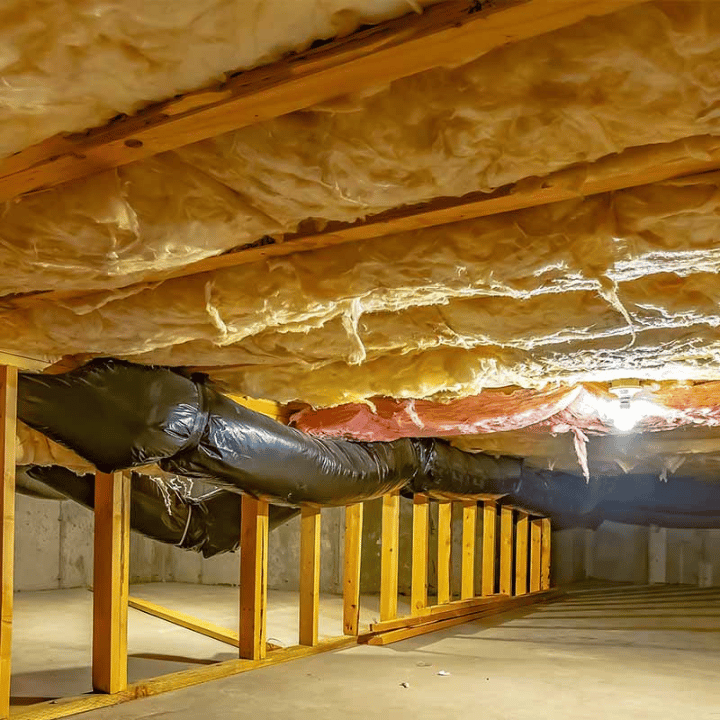
This can be especially problematic if you notice that the insulation has become wet which can lead to a slew of other issues. (See the condensation area below.)
High Humidity & the "Stack Effect"
Moisture in your crawl space doesn't stay under your house. Because of the Stack Effect—a process where warm air rises and pulls cool air upward—approximately 50% of the air you breathe on the first floor originates in your crawl space.
If you notice these symptoms, your crawl space may be struggling with high humidity:
-
Foggy Windows: Unexplained condensation on interior glass.
-
Clammy Skin: A "sticky" feeling indoors, even with the AC running.
-
Musty Smells: Odors traveling upward with the rising air.
Excessive humidity is more than an afternoon discomfort; it acts as a carrier for mold spores and allergens, directly impacting your home’s air quality and your family's health.
Mold, Mildew and Musty Odors
As mold and mildew flourish in damp environments, they release microbial volatile organic compounds (mVOCs)—the source of that distinct, "earthy" smell. These gasses permeate carpets, furniture, and clothing. If you notice a persistent musty odor, it is a strong indicator that mold is actively growing beneath you and compromising your indoor air quality.
Condensation and Moisture Build Up
Condensation occurs when warm, humid air hits the cooler surfaces of your crawl space, like metal pipes or wooden subflooring. This constant "sweating" creates the perfect breeding ground for wood rot.
Watch for these red flags:
-
Wet Insulation: If your fiberglass batts are sagging or heavy, they have likely absorbed moisture like a sponge.
-
Saturated Wood: Beams that appear dark or "damp" are at immediate risk of structural failure.
-
Dripping Pipes: Standing water doesn't just come from leaks; it often falls from the ceiling of the crawl space itself.
If you observe insulation that is sagging in your crawl space, there’s a good chance that moisture has settled on the insulation and it has become too heavy to stay in place. Not only does wet insulation lose some functionality (up to 40 percent of its R-value), the moisture in the insulation can also damage the wood surrounding that area.
Wood Rot and Sagging Floor Joists
When moisture persists in a crawl space, it eventually attacks the structural integrity of your home. Excessive humidity and standing water lead to wood rot, which weakens the floor joists and support beams that hold up your house.
Common signs of structural crawl space damage include:
-
Bouncy or "Spongy" Floors: If the floor feels like it gives way when you walk, your joists may be softened by rot.
-
Sloping or Uneven Surfaces: Floors that tilt toward the center of the home often indicate a sinking support pier or a failing main beam.
-
Interior Cracks: Gaps in your drywall or crown molding are often caused by the foundation shifting beneath the crawl space.
-
Sticking Doors and Windows: When the wood frame warps or sags, doors and windows lose their alignment and become difficult to operate.
If you notice your floors are no longer level, it is a sign that the "skeleton" of your home is compromised. Addressing wood rot early can prevent a total floor system failure and significantly lower your repair costs.
Higher Than Normal Energy Bills
Have you noticed an increase in your energy bills? It may not just be the kids leaving lights on all over the house and forgetting to shut the door.
Wet insulation loses its ability to maintain your home's temperature. Additionally, humid air is much harder for your HVAC unit to condition. If your air conditioner is constantly running but the house feels warm, your crawl space may be the culprit.
Pest Infestations
Damp, rotting wood is a magnet for termites, carpenter ants, and rodents. A sealed, dry crawl space is the best defense against pests looking for a nesting ground.
Next Steps: Professional Crawl Space Solutions
If you’ve spotted warning signs like sagging floors or musty odors, the first priority is stopping the source of the damage.
A professional crawl space expert will typically use a combination of these proven solutions:
- Encapsulation: Sealing the area with a heavy-duty vapor barrier to stop moisture at the source.
- Polyurethane Foam Lifting: A modern, "no-mess" solution where high-density foam is injected to lift and level sinking concrete crawl space floors or support pads.
How Long Can You Wait To Repair A Crawl Space With Problems?
Foundation issues are progressive—they never get better or cheaper with time. While standing water is an immediate concern, hidden issues like wood rot or soil settlement can lead to permanent structural failure.
By booking a free, no-obligation inspection today, you can:
-
Stop the Damage: Prevent "bouncy floors" from becoming a total floor system collapse.
-
Save Money: Use non-invasive methods like polyurethane lifting before the slab requires a full, costly replacement.
-
Protect Your Health: Neutralize mold spores before they spread further into your living space.
Don't wait for a small crack to become a major catastrophe.
Connect with a Local Crawl Space Expert
Frequently Asked Questions About Crawl Space Problems
The most common problems with crawl spaces include mold that can spread through the air to your home and moisture which can ruin insulation and rot the wood beams that support your house. If your crawl space has a dirt floor with no vapor barrier, these issues are much more common.
Crawl spaces may not be the most pleasant place to spend your time, but they should be inspected on a regular basis to check for the presence of moisture, mold, or wood rot. It should be fairly easy to spot these types of problems, but you can also inspect it by checking for musty smells which would indicate the presence of mildew and/or mold. If your crawl space has a concrete base floor, it should also be inspected for foundation cracks.
There are several ways to improve your crawl space and protect the foundation of your home. Some methods include:
- Crawl space encapsulation
- Dehumidifiers & Fans
- Vapor Barriers
- Drainage systems including interior drains
- Sump Pumps
- Systems designed to move water away from the foundation of your home such as french drains
More information about crawl space repair solutions can be found here.
Since the crawl space is the foundation of your home, the answer is yes. Crawl spaces contain the support joists and beams for your home and can experience some of the same issues as basement foundations. Additionally, crawl spaces are generally subject to more moisture and mold issues than basement foundations, especially those with dirt floors and no vapor barrier. One of the main culprits of foundation issues is moisture in the crawl space. Too much moisture in the crawl space can cause condensation which can eventually lead to wood rot on your beams and joists. Homeowners typically will notice these issues in the home in the form of sloping floors and/or floors that feel bouncy. Foundation issues in the crawl space also can manifest themselves by sticking windows and doors, along with drywall cracks.