
Sheetrock & Mortar Problems
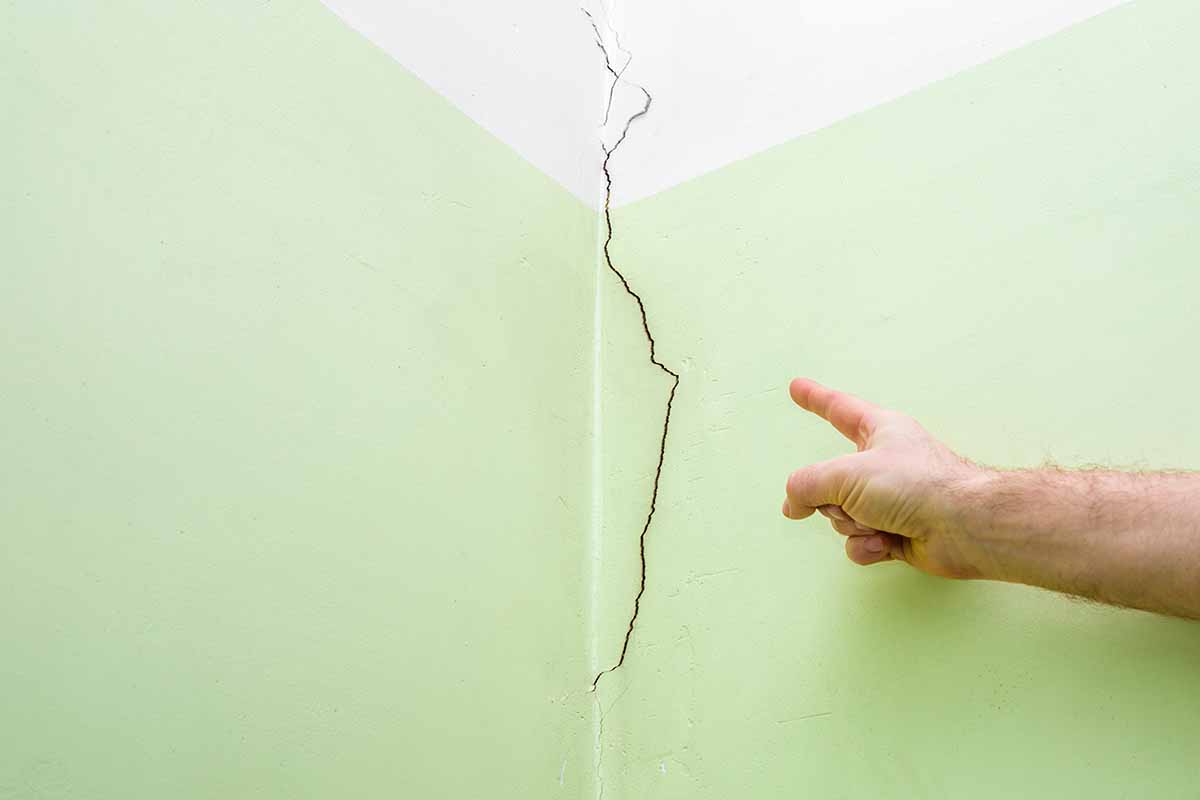
Cracked sheetrock and mortar are more than just cosmetic issues—they’re often warning signs that your home’s foundation may be compromised. On the outside of your home, cracks in the mortar between bricks are typically easy to spot. Inside, however, issues like cracked sheetrock or drywall can go unnoticed until the problem becomes severe. Both of these problems are commonly caused by structural movement, such as foundation settling or shifting soils.
Why Cracked Sheetrock and Mortar Matter
Your home is built to rest on stable soil, but over time, that soil can shift due to erosion, poor drainage, or seasonal changes in moisture. This movement can cause the foundation to settle, putting stress on your home’s structure. That stress shows up in the form of cracks—either in the mortar between exterior bricks or in the sheetrock on interior walls and ceilings.
Cracked sheetrock and mortar should never be ignored. These issues may seem minor at first, but they often indicate deeper structural problems that can affect the integrity of your home.
Causes of Sheetrock & Mortar Problems
Several conditions can lead to cracked sheetrock and mortar, including:
-
Foundation Settlement: The most common cause, settlement occurs when the soil beneath the foundation shifts or compresses.
-
Poor Drainage or Erosion: Water that collects around your home’s foundation can wash away supporting soil and cause sinking.
-
Expansive Soils: Clay-rich soils expand when wet and shrink when dry, causing the foundation to move.
-
Construction Deficiencies: Inadequate site preparation or poor compaction can result in early structural issues.
No matter the cause, it's important to address the issue at its source—your foundation. A foundation repair professional can assess your home and help identify the underlying issue. The direction, size, and pattern of the cracks often offer valuable clues:
-
Horizontal cracks
-
Stair-step cracks
-
Vertical cracks
-
Spiderweb cracks
Once the cause is identified, the next step is stabilizing your foundation—and that’s where Earth Contact Products (ECP) come in. ECP manufactures industry-leading foundation repair systems trusted by professionals across the country to provide long-lasting solutions.
Solutions to Sheetrock & Mortar Problems
When you’re dealing with cracked sheetrock and mortar, the most effective approach isn’t just cosmetic repair—it’s addressing the foundation issue that’s causing the movement. Patching cracks may offer a temporary fix, but without correcting the underlying structural problem, the damage will likely return.
Cracks in mortar or sheetrock are often signs of a shifting or settling foundation. To stop the damage from worsening and prevent new cracks from forming, the foundation needs to be stabilized using a reliable underpinning system. That’s where Earth Contact Products (ECP) plays a vital role.
If there are cracks in your mortar or sheetrock, they are most likely the result of a shifting or settling foundation. This means that to effectively close the cracks and prevent more from developing, you need to stabilize the foundation.
Foundation stabilization can be done by a number of different underpinning methods by Earth Contact Products. These methods, however, should only be completed by a professional foundation repair contractor. The most common of these underpinning methods are:
- Steel Push Pier Installation:
Steel push piers are installed beneath the foundation to provide support and stabilization. These piers are first driven deep into the ground until they reach stable soils. Then, the weight of the structure is transferred onto the piers and they are used to lift the foundation back to its proper position. Once this is done, the foundation is stabilized and future foundation problems are prevented. - Helical Piers:
Helical piers are very similar to steel push piers and work in much the same way. The biggest difference is that helical piers are screwed into the ground instead of being merely driven in. This allows them to be installed easily in any weather and provides extra stability for the foundation. These piering products are normally used for slightly lighter weight jobs, such as porches, stoops, or small structures.
Frequently Asked Questions About Cracked Sheetrock and Mortar
-
Are cracked sheetrock and mortar always caused by foundation problems?
Not always, but they are often signs of shifting or settling foundations, especially if the cracks worsen over time. -
Can cracked sheetrock and mortar be repaired without foundation work?
Cosmetic repairs may help temporarily, but lasting solutions usually require professional foundation stabilization.
As a trusted U.S. manufacturer of foundation repair solutions, ECP provides high-quality products to experienced contractors nationwide. By working with a professional who uses ECP systems, homeowners can be confident in long-term solutions that protect both the structure and value of their home.
Final Thoughts
Cracked sheetrock and mortar may start as small problems, but they often point to serious foundation issues beneath the surface. Rather than patching cracks again and again, address the real cause with help from a professional using quality solutions from Earth Contact Products.
Need help with cracked sheetrock and mortar? Contact My Foundation Repairs today to find a local contractor who uses trusted ECP systems to restore your foundation and your peace of mind.