
Understanding Foundation Settlement: Causes, Effects, and Solutions
Foundation settlement can be a serious and potentially costly problem for homeowners. Knowing the causes, effects, and solutions to this issue is essential in maintaining your home's value and structural integrity over time.
In this post, we'll help you understand foundation settlement so that you can take proactive steps to protect yourself from any potential issues down the line. From recognizing warning signs of trouble to understanding effective preventative measures – we have all the information you need right here!
What is Foundation Settlement?
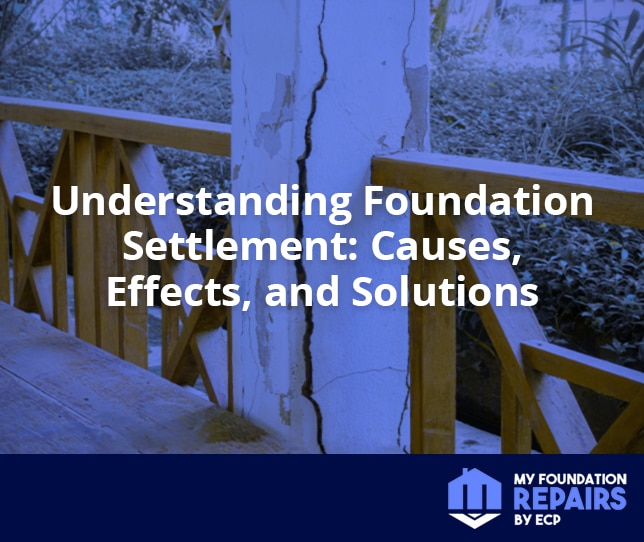
Foundation settlement is a type of soil failure wherein the soil surrounding the foundation of a structure causes it to sink, tilt, or move. This can happen due to several factors, such as water damage caused by excessive rains or large amounts of snowmelt, poor soil compaction during construction, and soil erosion. When soil changes beneath the foundation, the structure can shift, leading to cracks, uneven floors, and other settlement issues.
While some minor settlement is normal—especially in new construction homes—excessive settlement can compromise the foundation's strength, leading to major structural problems. Recognizing the signs of foundation settlement early can help prevent significant damage.
Causes of Foundation Settlement
Several factors contribute to foundation settlement, often related to changes in the soil below and around the foundation. Some of the most common causes of foundation failure include:
- Poor soil compaction during construction, where the foundation is not built on properly compacted soil.
- Changes in water levels, such as heavy rains, snowmelt, or plumbing leaks, causing soil to expand or contract.
- Extreme weather, including droughts and floods, leading to soil shrinking or swelling.
- Excessive weight from heavy structures or loads placed on the foundation, causing it to sink.
When these factors are left unchecked, they can lead to significant floor settlement and the settlement of foundations, potentially causing structural damage to your home.
Types of Foundation Settlement
Foundation settlement can occur naturally over time or in response to changing environmental conditions. Keeping up with regular inspections and reinforcing foundations can help prevent foundation failure. Here are the different types of foundation settlement:
Heave
This happens when moisture or frozen ground expands, applying pressure from below the surface.
Subsidence
The soil beneath the foundation shifts or collapses, causing the foundation to sink or settle unevenly.
Compression
Poor construction or too much weight compressing the soil can lead to uneven settlement.
Understanding these different types of settlement can help homeowners make necessary repairs before total structural damage takes place.
How to Tell if Your House is Settling
Detecting foundation settlement problems early can save homeowners from more costly repairs down the line. To monitor settlement issues, watch for signs such as:
- Cracks in walls or windowsills: These may indicate a shift in the foundation.
- Uneven floors: A sign of shifting or settling beneath the foundation.
- Sticking doors or windows: When doors and windows are no longer square, it may be a result of foundation movement.
- Water stains on basement or crawl space walls: These can indicate moisture seeping in due to cracks in the foundation.
If you notice any of these signs, it’s crucial to contact a professional to assess the situation. Early detection of foundation settlement issues is key to minimizing damage and repair costs.
Solutions for Preventing or Repairing Foundation Settlement Issues
Foundation settlement issues can cause a host of problems for homeowners, ranging from water leaks and mold growth to major structural damage. Fortunately, there are several options for preventing or repairing foundation settlement:
- Crawl space encapsulation: Sealing the walls and floor with a waterproof membrane to protect against moisture.
- Adding piers or piles beneath the foundation: This method supports weakened walls and helps return them to their original position.
- Leveling and stabilization: This involves raising parts of the home to correct misalignments caused by settled foundations.
If you notice any signs of foundation failure such as cracks or shifting, it's important to consult with a qualified foundation expert. Using the right repair methods for the specific type of settlement of foundations can restore the structural integrity of your home.
Foundation settlement issues can cause a host of problems for homeowners, ranging from water leaks and mold growth to major structural damage. Fortunately, there are several options available for preventing or repairing foundation settlement issues.
Crawl space encapsulation is an effective approach that involves sealing the walls and floor with a waterproof membrane in order to protect the structure from moisture. Furthermore, adding piers or piles beneath interior foundation walls can support the weakened walls and help return them to their original position. Another solution is called leveling and stabilization, which entails raising parts of the home to correct any misalignments caused by settled foundations.
No matter which method is used, it is important to consult with a qualified professional before attempting any foundation repairs.