
Spring brings warmer weather—but it also brings heavy rain, melting snow, and increased groundwater. If you’ve noticed water leaking, damp basement walls, or puddles forming in your basement or crawl space, it may be time to consider professional waterproofing.
Water intrusion isn’t just an inconvenience. Over time, it can weaken your home’s structure, damage belongings, and create an unhealthy living environment. Taking action now can help protect your home before small issues turn into costly repairs.
Why Spring Is the Best Time to Waterproof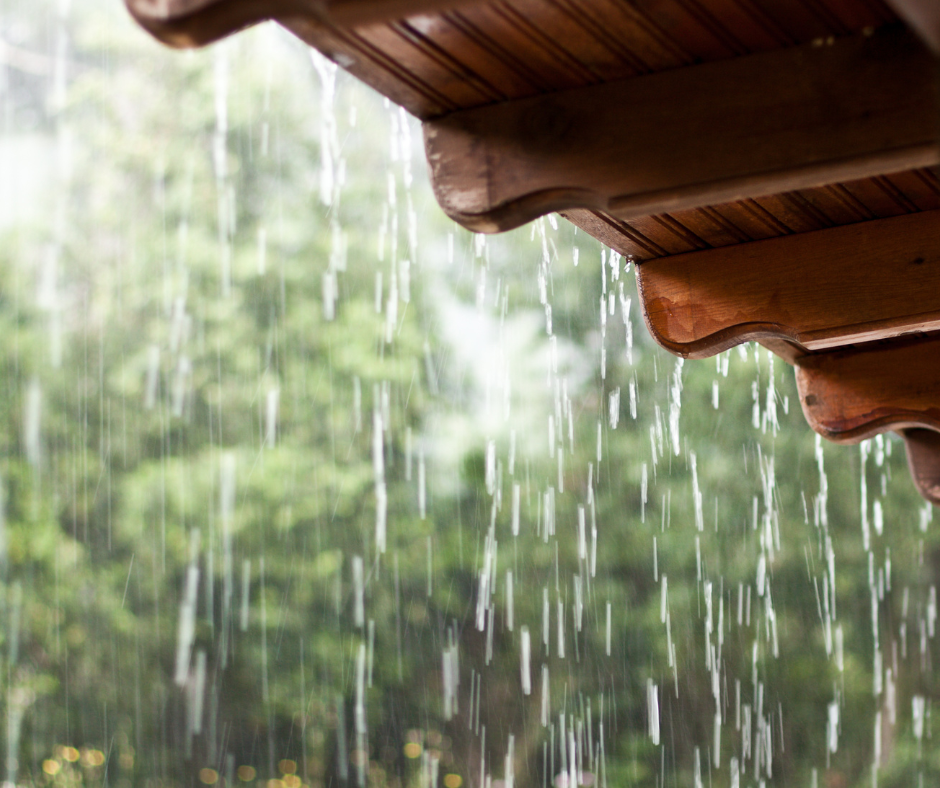
Spring is one of the most important seasons to address basement water issues. As the ground becomes saturated, hydrostatic pressure builds around your foundation, forcing water through cracks, joints, and porous concrete.
Common spring warning signs include:
- Damp or wet basement floors
- Water stains or discoloration on walls
- Musty odors
- Visible cracks in the foundation
- Pooling water near your home
Addressing these issues early helps prevent long-term damage and keeps your basement dry year-round.
Types of Basement Waterproofing
Basement waterproofing typically falls into two main categories: exterior and interior waterproofing. Understanding how each works is key to choosing the right solution for your home.
1. Exterior Waterproofing (Stop Water Before It Enters)
Exterior waterproofing is designed to prevent water from entering your home in the first place. It works by collecting and redirecting both surface and subsurface water away from your foundation.
This method may include:
- Waterproof coatings applied to exterior foundation walls
- Exterior drain tile (French drain) systems
- Proper grading and drainage improvements
When installed correctly, exterior waterproofing reduces pressure against your foundation and helps prevent water from seeping through walls or floors.
However, many homes were originally built with dampproofing—not true waterproofing. These outdated systems can fail over time, especially when paired with poor drainage, leading to recurring basement water issues.
2. Interior Waterproofing (Water Management Systems)
Interior waterproofing focuses on managing water that has already entered your basement.
These systems work by:
- Collecting water beneath the basement floor
- Channeling it through a drainage system
- Directing it into a sealed sump pit
- Pumping it safely away from your home
Interior systems are often called water control systems, because they don’t stop water at the source—they control and remove it before it causes damage.
Modern sealed interior systems are especially important. Unlike older open systems, they help:
- Reduce humidity and moisture buildup
- Prevent soil gases like radon from entering your home
- Improve indoor air quality
- Keep your basement consistently dry
Can Waterproofing Be Added to an Existing Home?
While waterproofing is often installed during new construction, it can absolutely be added to existing homes—and in many cases, it should be.
Older homes often have:
- Failing or outdated waterproofing systems
- Poor drainage around the foundation
- Cracks that allow water intrusion
Upgrading to modern waterproofing solutions can significantly improve your home’s protection and prevent recurring issues.
The Risks of Ignoring Water Problems
Water damage doesn’t fix itself—and waiting too long can lead to serious consequences.
Structural Damage
Water can weaken your foundation over time, leading to cracks, shifting, and damage that can extend throughout your home.
Health Hazards
Moisture creates the perfect environment for mold and mildew, which can impact air quality and lead to respiratory issues.
Damage to Belongings
Water can quickly ruin furniture, photos, electronics, and other valuables stored in your basement.
Reduced Home Value
A home with water issues or past damage can be harder to sell and may lose significant value.
Don’t Wait for Water Damage to Get Worse
Spring moisture can quickly expose hidden problems. Taking a proactive approach now can save you time, money, and stress down the road.
👉 Find a local My Foundation Repairs contractor to schedule an estimate.
Keep your basement dry, your foundation strong, and your home protected all season long.