
Do Pressed Concrete Piers Really Work for Foundation Repair?
If you’re researching foundation repair, you’ve probably come across pressed concrete piers. They’re one of the most common solutions advertised by contractors—mainly because they’re fast and inexpensive to install. But do they actually work, and are they a good long-term fix for your home’s foundation?
Let’s break down what pressed concrete piers are, why they’re so popular, the risks you should know about, and what alternatives might provide stronger, longer-lasting protection.
What Are Pressed Concrete Piers?
Pressed concrete piers are short, pre-cast cylinders (usually 6” wide) that are pushed into the soil beneath your home’s foundation. Contractors often use a bottle jack or small hydraulic jack to drive the cylinders down until they can’t go further. The idea is that these piers support the foundation and keep it from sinking.
Homeowners are often drawn to them because:
-
They’re usually the cheapest option available
-
Installation requires minimal equipment, so it’s quick
-
Contractors advertise them heavily as “proven” solutions
But here’s the catch: cheap and fast doesn’t always equal effective.
The Problems with Pressed Concrete Piers
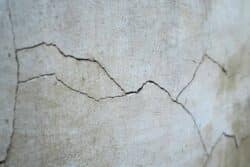 While pressed concrete piers can provide some support in certain situations, several issues make them risky:
-
Shallow Depths
Concrete cylinders are often only pressed a few feet into the ground. They may not reach stable soil layers, meaning your home is still sitting on shifting, expanding, or contracting soil.
-
Risk of Foundation Damage
Bottle jacks concentrate a lot of pressure in a very small area of your footing. This can cause cracks or crumbling in the very foundation you’re trying to fix.
-
Uncontrolled Installation
Professional steel piers use hydraulic systems that measure pressure and load capacity. Pressed concrete piers? Not so much. Contractors essentially guess when to stop driving the cylinders.
-
Water Weakens the System
Some contractors use water jetting (injecting water into the soil) to push the piers deeper. But water is the #1 cause of foundation problems in the first place. Adding more moisture under your home only makes things worse.
Are Pressed Concrete Piers Ever a Good Choice?
In very specific cases—such as lightweight structures built on firm soil—pressed concrete piers might hold up for a while. But for most homeowners, they’re a short-term fix that doesn’t address the real cause of settlement.
If you’re dealing with expansive clay soil, drainage issues, or significant foundation settlement, pressed concrete piers likely won’t provide the necessary support.
Better Alternatives for Lasting Foundation Repair
Instead of concrete cylinders, many engineers and reputable contractors recommend steel push piers or helical piers:
-
Steel Push Piers are driven deep into bedrock or stable soil, providing a permanent support system.
-
Helical Piers are screwed into the soil like giant anchors, making them ideal for lighter structures or areas with unstable soils.
Both systems use advanced hydraulic equipment to ensure proper depth and load-bearing capacity—no guesswork, no car jacks.
How to Choose the Right Repair Contractor
The repair method is only as good as the contractor who installs it. Before hiring someone, ask:
-
Do they calculate the weight of the structure before recommending a repair?
-
Do they use professional hydraulic systems, not bottle jacks?
-
Are they offering the “cheapest” option, or the right one for your home?
-
Do they use American-made, engineer-approved products (like ECP foundation solutions)?
Bottom Line
Pressed concrete piers are popular because they’re cheap and quick, but that doesn’t make them the best solution for your home. Foundation problems are serious, and cutting corners often leads to more significant and more expensive repairs down the road.
If you notice cracks, settlement, or bowing walls, get a professional opinion from a contractor who uses proven, engineer-backed solutions like steel push piers or helical piers.