
How Poor Gutter Placement Can Ruin a New Build
You’ve just moved into your brand-new home. Everything is spotless, the lawn is fresh, and the structure is solid—or so you think. But then the first heavy rain hits, and you notice puddles forming near the foundation. A month later, cracks begin to show in the basement. What went wrong? The problem may be poor gutter placement.
Yes, that simple system meant to direct water away from your home can end up being one of the biggest threats to a new build when it’s done incorrectly.
Why Gutters Are So Critical on New Homes
A new home might be structurally sound, but the soil around it is still settling. If water is allowed to pool around the foundation, it speeds up this settlement unevenly, creating cracks, shifting, and long-term instability.
Gutters play a critical role in:
-
Controlling water runoff from the roof
-
Preventing soil erosion around the perimeter
-
Protecting the foundation from hydrostatic pressure and water intrusion
-
Preserving landscaping, siding, and windows
A poorly designed gutter system can undo all the careful planning and investment that went into your build.
Common Gutter Mistakes in New Construction
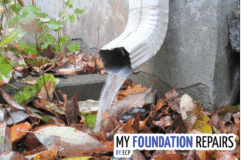 Unfortunately, not every builder or contractor prioritizes drainage. Here are some of the most common mistakes that can cause long-term issues:
1. No Gutters Installed at All
Some builders skip gutters altogether, especially in regions that don’t get frequent rain. But even occasional storms can do serious damage if there’s no system to move water away.
2. Too-Short or Missing Downspout Extensions
Water pouring straight down from your downspouts without extensions means it pools right next to your home’s foundation. Over time, this causes soil to soften and erode.
3. Poor Downspout Placement
Even if downspouts are extended, they may still drain into:
-
Sloped areas that run back toward the house
-
Patios or sidewalks that channel water underground
-
Flower beds or mulch zones that trap water close to the wall
All of these can send moisture exactly where it shouldn’t go.
4. Improper Slope on Gutters
If the gutters themselves aren’t sloped correctly toward the downspouts, water pools inside them and overflows during storms, often directly against siding and windows.
Signs That Poor Gutter Placement Is Already a Problem
If you’re living in a newly built home and notice any of these issues, your gutters might be to blame:
-
Water stains on the siding near rooflines
-
Erosion or washed-out mulch along the base of the house
-
Cracks forming in basement walls or garage floors
-
Persistent puddling after rain
-
Mold or mildew around the foundation
The scary part? These signs can appear within just a few months of move-in.
How to Fix and Prevent Gutter Problems
The good news is that gutter issues are almost always fixable—if caught early.
Here’s what to do:
-
Inspect the entire gutter system. Make sure it’s present, sloped correctly, and includes downspout extensions that discharge 5–10 feet away from the home.
-
Walk your perimeter after a rainstorm. Look for areas where water is pooling or running toward the home.
-
Grade your soil. The ground should slope away from the home to aid drainage.
-
Install a French drain or underground drainage system if surface options won’t work.
-
Check basement walls and floors for early signs of moisture or cracking.
If you’re seeing damage already, contact a foundation professional. It’s far easier (and less expensive) to correct poor drainage now than it is to deal with major structural repairs later.
Final Thoughts
When building a new home, you don’t want to think about water damage, but ignoring the importance of good gutter placement is a costly mistake. This is one of the simplest systems in your home, but also one of the most important.
Whether you’re building now or just moved in, take a close look at where your gutters are sending water. A few adjustments today could save you thousands in foundation repairs tomorrow. My Foundation Repairs can connect you with a trusted local contractor to assess your home and provide the right solution.