
Do Moles and Voles Damage Your Home's Foundation?
Yard pests can be more than just an annoyance. If you’ve noticed raised tunnels in your lawn or small holes near your home, you may be dealing with moles or voles, and wondering if they can cause real damage to your home’s foundation.
While these small animals aren’t directly chewing into your foundation or causing cracks the way tree roots or water might, their tunneling habits can still contribute to foundation problems, especially when combined with other environmental factors.
Let’s break it down.
What’s the Difference Between Moles and Voles?
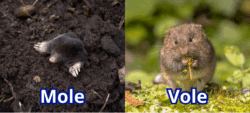
These two pests are often confused, but they behave very differently:
-
Moles are carnivorous, feeding mainly on earthworms and grubs. They create deep tunnels underground and push soil to the surface, forming molehills.
-
Voles, on the other hand, are herbivores that look more like small field mice. They prefer shallow burrows and tend to follow mole tunnels. Voles can damage grass, landscaping, and even the roots of shrubs and trees.
Both can create extensive tunnel networks under your lawn, but how does this affect your foundation?
Can Moles and Voles Really Affect My Foundation?
Moles and voles don’t have the strength or biological need to burrow through concrete, so they won’t eat or claw their way directly into your foundation walls. However, the soil disturbance they cause can still create problems.
Here’s how:
1. Soil Displacement and Erosion
Tunnels and burrows can loosen and displace the soil around your foundation. Over time, this can cause uneven support for foundation walls, porches, patios, and walkways.
In extreme cases, tunneling activity can lead to:
-
Small voids or air pockets under concrete slabs
-
Uneven settling or shifting of the foundation
-
Cracks in masonry, especially in garage floors or steps
-
Minor sinkholes near footings or crawl spaces
2. Water Redirection and Drainage Issues
When animals tunnel near your foundation, they unintentionally create new pathways for water. During rain or snow melt, this can cause:
-
Water pooling near the base of your foundation
-
Moisture intrusion in basements or crawl spaces
-
Hydrostatic pressure buildup, which can lead to wall cracking or bowing
If you already have poor grading or clogged gutters, mole and vole tunnels can make your water problems worse.
3. Impact on Landscaping and Soil Stability
Healthy landscaping often helps hold soil in place. But voles can chew through plant roots and moles can loosen root systems with their tunnels. This results in:
-
Dying plants and ground cover
-
Less vegetation to help absorb water
-
A higher risk of erosion, especially near sloped areas around your home
The soil around your foundation needs to be compact and stable. When it’s not, even minor disturbances can lead to long-term structural issues.
When to Be Concerned
Most mole or vole problems are minor and cosmetic—but here are a few signs that the problem is affecting more than just your lawn:
-
You notice new cracks in your foundation, especially after heavy rains
-
Water is entering your basement or crawl space from below
-
Your patio or sidewalk is sinking or tilting
-
There are voids or depressions near your foundation walls
-
The ground feels soft or hollow when you walk around the base of your home
If any of this sounds familiar, it’s time to take a closer look—not just at the pests, but at your foundation, too.
What You Can Do
You don’t have to live with an unstable yard or a foundation at risk. Here’s how to take control:
Control the Pests
-
Use mole or vole traps or natural repellents (castor oil granules are common)
-
Install underground barriers if they keep coming back
-
Consider hiring a wildlife control professional if tunneling is extensive
Protect the Foundation
-
Fill in tunnels and burrows with topsoil and compact it firmly
-
Improve drainage: extend downspouts, clean gutters, and grade soil to slope away from the home
-
Add landscaping that encourages root growth to stabilize soil
-
Schedule a foundation inspection if you see cracks, moisture, or settling
Foundation Problems? Let a Professional Take a Look
Most homeowners don’t think twice about moles and voles until they start seeing cracks in their foundation walls or noticing water in the basement. By then, the soil may have shifted more than you think.
If you’re unsure whether your foundation is still stable—or just want peace of mind—a professional inspection can give you a clear answer. Foundation problems don’t always start big, but catching them early is key to avoiding expensive repairs.
Don’t wait until those tiny tunnels cause bigger trouble. My Foundation Repairs can connect you with a trusted local contractor to provide the right solution.