
What Causes Foundation Problems? Signs, Solutions & Repair Options
Foundation problems can develop in homes and commercial buildings across the United States — regardless of climate, soil type, or age of construction. Understanding what causes foundation problems is a first step to keeping your home or business safe.
While the specific causes may vary by region, one thing remains consistent: when the soil beneath a structure moves, the foundation moves with it.
Understanding what causes foundation problems — and recognizing the early warning signs — can help property owners take action before minor issues become major structural repairs.
What Causes Foundation Problems?
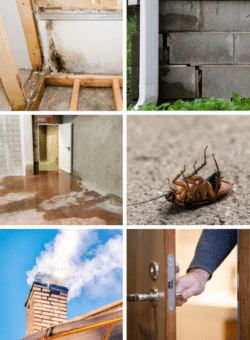 Foundation damage is most often the result of soil movement beneath or around a structure. Across the country, this movement can be triggered by several factors:
1. Expansive or Unstable Soils
Certain soils expand when wet and shrink when dry. This repeated swelling and contraction places stress on foundation walls and footings.
2. Changes in Moisture Levels
Heavy rainfall, drought conditions, poor drainage, or plumbing leaks can all alter soil moisture levels. These fluctuations may lead to settlement or upward pressure against the foundation.
3. Poor Soil Compaction During Construction
If fill soil was not properly compacted before a home or building was constructed, the soil may settle over time — causing sections of the structure to sink unevenly.
4. Tree Roots and Vegetation
Large trees can draw significant moisture from the soil, contributing to uneven settlement in certain conditions.
5. Aging Materials and Structural Stress
Over time, foundations naturally experience stress from structural loads, environmental changes, and normal wear.
Because soil and environmental conditions vary nationwide, foundation issues can affect properties in nearly any region.
Common Warning Signs of Foundation Problems
Foundation problems rarely appear overnight. Most begin with subtle signs that gradually worsen over time.
Watch for:
- Stair-step cracks in brick or masonry
- Cracks above doors and windows
- Doors and windows that stick or won’t latch
- Sloping or uneven floors
- Gaps between walls and ceilings
- Basement wall bowing or inward movement
If you notice one or more of these symptoms, it’s important to have your structure evaluated by a qualified foundation professional.
Why Acting Early Matters
Foundation problems do not correct themselves. Left unaddressed, soil movement can continue, leading to:
- Widening cracks
- Structural instability
- Water intrusion
- Increased repair costs
- Reduced property value
Early intervention helps stabilize the structure, protect long-term value, and prevent more extensive damage.
Today’s foundation repair methods are engineered to permanently stabilize structures by transferring loads to deeper, stable soil layers. The appropriate solution depends on soil conditions, structural design, and the extent of settlement.
Common stabilization systems include:
Steel Push Piers (Hydraulic Underpinning Systems)
Hydraulically driven steel piers are installed beneath the foundation until they reach stable load-bearing strata. These systems are often used to stabilize and potentially lift heavier structures.
Helical Piers
Helical piers are mechanically screwed into the soil using engineered steel plates. Installation torque provides measurable capacity during installation, making them suitable for a wide range of structures and soil conditions.
Micropiles
High-capacity, grout-filled steel shafts used in more challenging soil conditions, including areas with rock or debris.
Drivecast® Grouted Displacement Piles
Drivecast is a high-capacity grouted displacement pile that combines mechanical installation with structural grouting to create a strong, consistent load-bearing column.
Installed using helical leads and extensions, the system advances into the soil with minimal site disturbance. The displacement process allows grout to form a reinforced column around the steel shaft, increasing load capacity and performance.
Drivecast systems are often selected for projects requiring:
- High load capacity
- Limited access or low-clearance installation
- Reduced vibration and disturbance
- Consistent, engineered load transfer
Finding the Right Foundation Repair Contractor
Choosing the right contractor is just as important as selecting the right repair system.
My Foundation Repairs connects homeowners and commercial property owners with vetted foundation repair contractors across the United States. Contractors within the network are trained in industry-proven foundation stabilization methods and utilize engineered repair systems designed for long-term structural performance.
As part of a nationwide network backed by Earth Contact Products, contractors have access to engineering support and professional-grade foundation repair solutions.
Don’t Ignore the Signs
Your foundation supports everything above it. Even small cracks can indicate underlying soil movement that requires attention.
If you’re experiencing signs of foundation trouble, My Foundation Repairs can connect you with a trusted contractor in your area to evaluate your structure and recommend the right solution.
Stabilizing your foundation today can help protect your property for years to come. Get connected with a contractor in your area today!