
How Does Water Enter Your Basement?
No one likes to walk down their basement stairs and realize that the floor is wet. This is doubly true if you have a finished basement. Your first thought might be "Where did this water come from?" The answer varies. Each comes with its own set of likely causes and waterproofing fixes.
1. Plumbing Problems
Let's dispense with the one that is not our specialty at My Foundation Repairs right away. Whether burst pipes, leaking water heaters or drain backups, plumbing issues can lead to flooded basements.
How to tell this is the problem: Listen to see if you can hear anything that sounds like a leaking pipe for a start. Then look at the floor and see if you can trace a point of origin. If it appears the water came from a floor drain rather than just flowing toward it, your backflow preventer might have failed, allowing water to backup into your basement.
How to fix it: Call a plumber. Keep in mind, though, that severe plumbing leaks can sometimes cause structural issues, so the issues might extend beyond plumbing and cleanup.
2. Basement Wall Cracks
 Water seeks the easiest entry point. For water pooling around your foundation, a crack in the basement wall provides a perfect path inside.
How to tell this is the problem: Check the basement walls for moisture. You can also check for efflorescence. This is a white powdery substance that is left behind when water on your walls evaporates. If you see a crack above the wet portion of the wall or efflorescence, that crack is likely your culprit.
How the water gets there: Poor drainage is often the root cause when water enters through basement wall cracks. In some cases, the pressure from water-saturated soil can even contribute to the cracks forming in the first place.
How to fix it: Your first instinct might be to simply seal the crack. While crack repair may be part of the solution, it usually will not solve the underlying problem by itself. If drainage issues remain, the water may simply find another path into the basement. Focus on fixing the drainage. That might be something as simple as adding downspout extenders, but it also might require waterproofing measures. These could include exterior drainage like a French drain system or an interior waterproofing system with weep holes so water that enters a block wall through exterior cracks will end up in your sump pump, not on your basement floor. If the wall has started bowing or shifting from hydrostatic pressure, structural stabilization may also be necessary.
3. Cove Joint
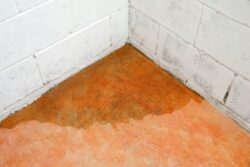
The cove joint is where your basement walls meet the slab floor. It is also one of the most common ways for water to enter your basement.
How to tell this is the problem: Does it seem like the water is entering from the perimeter of the basement, but the wall itself isn't wet higher up? Then you are likely dealing with a cove joint issues.
How the water gets there: While poor drainage can still contribute, cove joint leaks are often associated with hydrostatic pressure caused by groundwater rising beneath the basement floor, especially after heavy rainfall.
How to fix it: Because interior drainage systems are installed along the perimeter of the basement, they are often an effective solution for cove joint leaks. Water entering at the joint is directed into the drainage channel and carried to the sump pump before it reaches the basement floor.
4. Floor Slab Cracks
Much like wall cracks, if you have cracks in the basement floor slab, they provide an easy way for water to enter.
How to tell this is the problem: If the water does not appear to be coming from the perimeter walls or a floor drain, look for cracks in the slab near the wet area.
How the water gets there: Since it is beneath your home, rather than pressing along the side, a rising water table is once again among the most likely culprits.
How to fix it: Filling the crack is helpful, especially for minor water problems. Once again, an interior waterproofing system complete with sump pump is likely the best answer if a rising water table is to blame.
5. Window Wells
If they aren't draining properly, window wells can be a source of hydrostatic pressure, with the water pushing directly against the window or basement wall.
How to tell this is the problem: Is the wall directly beneath the window well wet? If you, you may have found the culprit.
How the water gets there: If they aren't draining properly, window wells can essentially trap rain water right against your home.
How to fix it: Make sure the window well is draining properly. Grading the yard away from the well can also reduce the amount of water that is flowing into it. Window well covers can also keep the water out.
Need Waterproofing Done? Tap Into Our Nationwide Network
If your basement is flooded, and the cause isn't plumbing-related, contact My Foundation Repairs. We have a nationwide network of waterproofing contractors that we trust because we supply the products that they use and have trained the contractors in how to install them.