
Helical Piers vs Push Piers: Which Foundation Repair Solution Is Best?
If you’ve noticed foundation cracks, sticking windows, or uneven floors, you might be researching repair options. One of the most common questions homeowners ask is: What’s the difference between helical piers vs push piers?
Both systems are designed to stabilize foundations, but they work in different ways. Understanding the pros and cons of helical piers vs push piers will help you make an informed decision for your home.
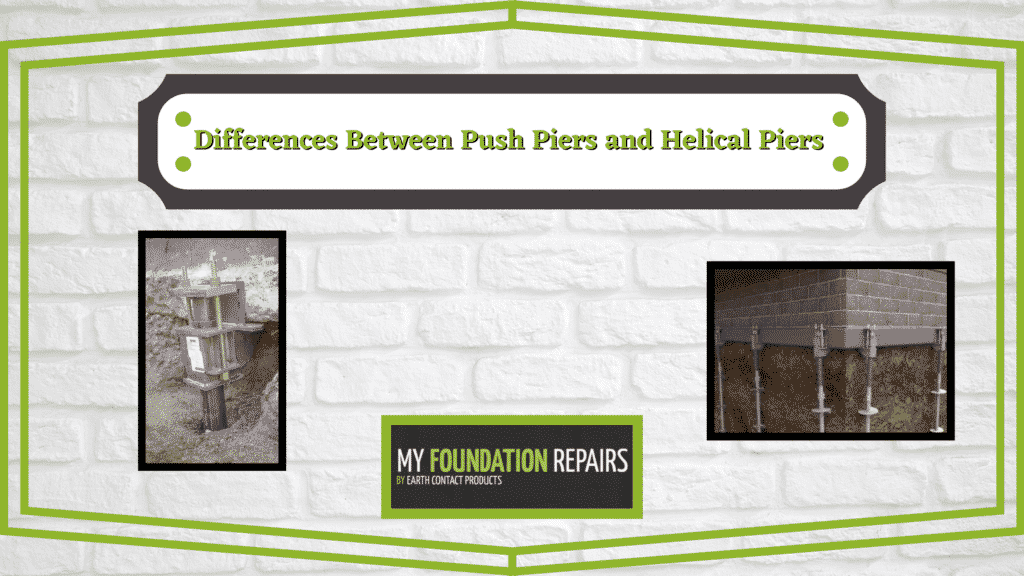
What Are Helical Piers?
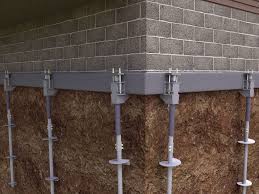
Helical piers are long, steel shafts with helical (screw-like) plates welded to them. During installation, they are literally “screwed” deep into the soil around your foundation until they reach stable load-bearing layers. Once anchored, the weight of your home is transferred to these piers, stabilizing the foundation.
Advantages of Helical Piers:
-
Minimal excavation required
-
Can be installed inside or outside the home
-
Work well for lighter structures such as homes, garages, or additions
-
Can be installed quickly, even in areas with limited access
-
Cost-effective for many residential applications
Disadvantages of Helical Piers:
-
Installation depends on soil conditions. Softer soils may require additional piers, which can increase costs.
Helical piers are often compared to screws in a wall—if you hit a solid stud, they hold firmly. If the soil isn’t strong, more piers will be necessary for stability.
What Are Push Piers?
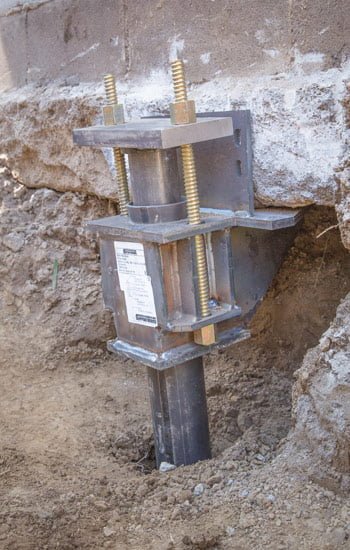
Push piers, also known as resistance piers, are heavy-duty steel pipes that are hydraulically driven into the ground until they reach bedrock or stable soil layers. Once installed, brackets connect the piers to your foundation, providing permanent support.
Advantages of Push Piers:
-
Excellent for heavy structures—ideal for multi-story homes or commercial buildings
-
Can be installed in tight or limited-access areas
-
Use the weight of the structure itself to drive deep into the ground
Disadvantages of Push Piers:
-
Not suitable for lighter buildings—small homes or garages may not provide enough weight to drive the piers deep enough
-
Cannot be easily removed or relocated once installed
Push piers function like nails being driven into solid ground. The heavier the load, the deeper and more stable the pier placement.
Helical Piers vs Push Piers: Which Should You Choose?
So, when comparing helical piers vs push piers, which is the better choice?
-
Choose helical piers for lighter structures or when soil conditions allow for strong anchoring.
-
Choose push piers for heavier buildings that can provide the resistance needed to drive the piers deep.
-
Both are strong, proven methods—your foundation repair contractor will recommend the right solution based on soil type, home weight, and site accessibility.
Contact My Foundation Repairs
Still weighing the choice between helical piers vs push piers for your foundation repair? Whether you’ve noticed cracked walls, uneven floors, or other signs of foundation trouble, My Foundation Repairs can connect you with a qualified contractor in your area.
Our nationwide network of professionals uses trusted products from leading manufacturers like Earth Contact Products (ECP) a U.S. manufacturer of both push piers and helical piers. These proven systems are designed to stabilize foundations and protect your home’s value.
Contact us today to schedule an inspection and find out which foundation repair solution is the right fit for your home.