
What Homeowners Should Know Before Choosing a Foundation Repair Solution
When you discover a foundation problem, choosing the right foundation repair systems is one of the most important decisions you’ll make. Your first questions are usually about cost, timing, and how quickly the issue can be fixed. But before any of that, it’s important to confirm what you’re actually dealing with.
If you’re not sure whether the signs you’re seeing are serious, it helps to first understand the early warning signs of structural issues. You can learn more in our guide on recognizing foundation failure to better understand what may be happening beneath your home.
Once you know there’s a problem, the next question becomes just as important—what type of system is being installed to fix it.
Most homeowners never see the materials used in a foundation repair, but those materials play a major role in how long the repair lasts and how well your home is supported over time.
👉 If cost is one of your biggest concerns, you can also explore your options on our foundation repair financing page to see how homeowners handle repair expenses.
Why the Type of Foundation Repair System Matters
Foundation repair isn’t a one-size-fits-all solution. Many contractors use systems like:
- Push piers
- Helical piles
- Steel foundation brackets
While these may sound similar from company to company, the quality, engineering, and manufacturing behind these systems can vary significantly.
That means two repair estimates might look similar on the surface—but deliver very different long-term results.
What High-Quality Materials Mean for Your Home
The best foundation repair systems are made from high-strength structural steel, designed to support heavy loads without bending or failing.
For homeowners, this matters because:
- Your home stays properly supported over time
- The risk of future movement is reduced
- Repairs are more likely to be permanent—not temporary fixes
Lower-quality materials may save money upfront, but they can lead to additional repairs later.
Why Manufacturing Quality Is Important
Not all foundation repair products are made the same way.
Some systems are manufactured with strict quality control, where every component—from the steel to the welds—is carefully produced and inspected. Others rely on inconsistent production methods.
For homeowners, better manufacturing quality means:
- Stronger, more consistent materials
- Reliable performance across the entire system
- Greater confidence in the durability of the repair
Understanding Certifications (And Why They Matter)
You may hear contractors mention certifications like ICC-ES.
This stands for International Code Council Evaluation Service, which independently verifies that a product meets building code requirements.
For you as a homeowner, that means:
- The repair system has been tested for safety and performance
- It’s more likely to be approved by inspectors and engineers
- You can feel more confident in the solution being installed
Built to Last Underground
Foundation repair systems are installed deep in the ground, where they are exposed to:
- Moisture
- Soil movement
- Long-term pressure
High-quality systems are designed with protective finishes—such as galvanization or specialized coatings—to help prevent corrosion and extend their lifespan.
This helps ensure your repair holds up for years to come.
Why This Can Affect the Price of Your Repair
If you’ve received multiple estimates, you may have noticed price differences.
In many cases, those differences come down to:
- The quality of materials being used
- The engineering behind the system
- The level of testing and certification
While it’s natural to look for the lowest price, it’s important to understand what you’re getting for that cost.
👉 Not sure how to afford repairs? Visit our foundation repair financing page to learn about payment options that can help you move forward sooner.
How This Impacts Your Contractor Choice
The contractor you choose plays a major role in your experience—but so do the products they use.
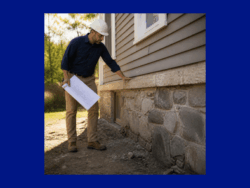
A reputable contractor should be able to:
- Clearly explain the system they recommend
- Tell you why it’s the right solution for your home
- Provide details about material quality and certifications
This transparency helps you make a more informed decision.
What to Ask Before You Move Forward
Before committing to a foundation repair, consider asking:
- What type of system are you installing?
- What materials are used in the system?
- Are the products tested or certified?
- How is the system designed to last over time?
Ready to Take the Next Step?
If you’re seeing signs of foundation problems, the best first step is a professional inspection.
My Foundation Repairs makes it easy to connect with trusted contractors in your area who can evaluate your home and recommend the right solution.
👉 Use our foundation repair contractor locator to find a local expert and schedule an inspection.
Frequently Asked Questions
Does the type of foundation repair system really matter?
Yes. While many systems may look similar, differences in materials, engineering, and manufacturing quality can impact how well the repair performs and how long it lasts.
What are push piers and helical piles?
Push piers are driven deep into stable soil using the weight of your home, while helical piles are screwed into the ground. The best option depends on your soil conditions and structure.
How long should a foundation repair last?
When high-quality materials are used and installed correctly, foundation repairs are designed to last for decades—often for the life of the home.
Why do foundation repair estimates vary so much?
Price differences often come from the type of system used, material quality, engineering standards, and the contractor’s approach to the repair.
Are certified foundation repair systems better?
Certified systems, such as those with ICC-ES approval, have been independently tested to meet building code standards. This adds confidence in their safety and performance.
Should I choose the cheapest foundation repair option?
Not always. Lower-cost options may use lower-quality materials or less engineered systems. It’s important to balance cost with long-term reliability and performance.
How do I know if a contractor is using quality materials?
Ask questions about the system they use, whether it’s tested or certified, and how it’s designed to perform over time. A reputable contractor will be transparent and informative.
Take Action Before Problems Get Worse
Foundation issues rarely improve on their own. Addressing them early can help you avoid more extensive damage and higher costs.
👉 Find a trusted professional near you with our foundation repair contractor locator and get started today.