
The Ultimate Guide to Foundation Inspections: Everything You Need to Know

Your home's foundation is the bedrock upon which your entire life rests. It's the silent guardian, but when problems arise, they can lead to costly repairs and even jeopardize your family's safety. That's why understanding foundation inspections is crucial. Whether you're a new homeowner or have lived in your house for decades, knowing when and how to get a foundation inspection can save you time, money, and stress. In this comprehensive guide, we'll cover everything you need to know about foundation inspections, from the signs you need one to what to expect during the process, and how to ensure you're getting the best possible evaluation.
Why Regular Foundation Inspections Matter:
Foundations, like any other part of your home, are susceptible to wear and tear. Environmental factors, soil conditions, and even the age of your home can contribute to foundation issues. Regular inspections are vital for detecting problems early, preventing them from escalating into major repairs.
- Prevent Costly Repairs: Addressing minor issues early can prevent them from turning into major, expensive problems.
- Maintain Structural Integrity: A healthy foundation ensures the stability and safety of your entire home.
- Protect Your Investment: A well-maintained foundation preserves your home's value.
Signs You Need a Foundation Inspection:
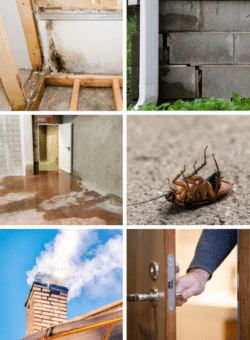
Knowing the signs of foundation problems is the first step in protecting your home. Keep an eye out for these indicators:
- Cracks in Walls and Floors:
- Look for both hairline cracks and larger, more noticeable cracks.
- Pay special attention to horizontal cracks, which indicate significant stress.
- Floor cracks, especially widening cracks, can signal serious structural issues.
- Doors and Windows That Don't Close Properly:
- Shifting foundations can cause doors and windows to become misaligned or stuck.
- Warped doors and windows are also a sign of potential foundation issues.
- Uneven or Sloping Floors:
- If your floors feel uneven or you notice a slope, it could be a sign of foundation settlement.
- This also includes uneven stairs.
- Visible Gaps Between Foundation and Flooring:
- Gaps indicate movement in the foundation.
- Wet Soil Around the Perimeter:
- Excessive moisture can weaken the foundation.
- Foundation Settlement & Sinking:
- Visible sinking of the foundation.
- Significant cracks in the foundation walls.
- Gaps & Spaces:
- Sudden appearance of large gaps or cracks.
- Gaps allowing pests or moisture into the home.
- Foundation Shifting & Moving:
- Creaking floors, sticking doors, and windows that won't open.
- Sudden or extreme changes in the foundation's position.
- Chimney Problems:
- Chimney leaning or separating from the house.
- Cracks in the chimney masonry.
- Brick & Masonry Problems:
- Cracks in brick or masonry walls.
- Separation of brick or masonry from the structure.
- Ceiling Cracks:
- Cracks accompanied by sagging ceilings.
- Cracks appearing with other foundation-related issues.
- Beam & Post Problems:
- Uneven or cracked beams and posts.
- Beams and posts out of level.
- Sinkholes and Voids:
- Depressions in the ground around the foundation.
- Areas where the ground feels hollow.
- Basement Cracks:
- Cracks in basement walls, especially with other signs of foundation issues.
- Moisture:
- Damp walls or water pooling around the foundation.
- Signs of mold or rot.
What to Expect During a Foundation Inspection:
A thorough foundation inspection involves a detailed examination of your home's foundation and related structural elements. Here's what you can expect:
- Visual Examination: The inspector will conduct a visual assessment of the foundation, walls, beams, and other structural components.
- Detailed Assessment: They'll look for signs of cracks, shifting, water damage, and other potential problems.
- Moisture Checks: Inspectors may check for moisture buildup and mold growth, which can weaken the foundation.
- Documentation Review: Having construction plans or repair bills available can be helpful.
- Comprehensive Report: You'll receive a detailed report outlining the inspector's findings and recommendations.
Who Should Inspect Your Foundation: Structural Engineer vs. Contractor vs. Home Inspector
Choosing the right professional for your foundation inspection is crucial. Here's a breakdown of your options:
- Structural Engineer:
- Highly qualified professionals with extensive knowledge of structural integrity.
- Provide unbiased evaluations and detailed reports.
- Ideal for complex foundation issues or when you need an expert opinion.
- They are the best for a thorough evaluation.
- Foundation Repair Contractor:
- Experienced in identifying and repairing foundation problems.
- Can provide practical solutions and estimates for repairs.
- Ensure you get multiple quotes and references.
- They are the ones who will do the repair.
- Home Inspector:
- Conduct general home inspections, including a basic assessment of the foundation.
- May not have the specialized expertise to identify complex foundation issues.
- Good for a general overview.
When choosing a foundation repair contractor, it is important to select a company with a strong reputation and proven track record. My Foundation Repairs simplifies this process by connecting you with a network of vetted contractors who use industry-leading products from Earth Contact Products (ECP). This ensures that you receive expert assessments and reliable repairs from trusted professionals in your area.
Foundation Inspection Cost and Free Inspections:

- Free Foundation Inspections: Many foundation repair companies, including My Foundation Repairs, offer free inspections. This allows you to get an initial assessment and estimate without any cost or commitment.
- Is a free foundation inspection legit? Yes, many companies offer free estimates. It is a good way to get multiple opinions.
- Foundation inspection cost: Hiring a Structural Engineer will cost money. Contact your local structural engineer for an exact cost.
- How to get a foundation inspection: Contact a local foundation repair company, or a structural engineer. If you're not sure which one of your local foundation repair companies you should contact, we can help you find a contractor that knows what they're doing.
Foundation Repair Options:
If your inspection reveals foundation problems, it's essential to address them promptly. Professional foundation repair companies can provide various solutions, including:
- Steel Piers: Driven to bedrock for stable foundation support and leveling.
- Helical Piers and Anchors: Screw-like devices providing deep, reliable support for new construction or repairs.
- Helical Tieback Anchors: Used to stabilize foundation walls by providing lateral support.
- Plate Anchors: Steel plates used to reinforce foundation walls and prevent further movement.
- Hydraulic Slab Lift Piers: Use hydraulic pressure to lift and level sunken concrete slabs.
- New Construction Piers: Essential support structures for new buildings, resisting gravity and lateral forces.
- Soil Nailing: Reinforces unstable slopes by inserting and grouting steel rods.
- Micropile Underpinning: Reinforces foundations in weak soils using small, driven piles.
- Polyurethane Crack Injection: Seals foundation cracks with expanding foam, preventing water intrusion.
- Residential Foundation Repair: Comprehensive services to address settling, cracking, and other foundation issues.
- Concrete Leveling: Raises sunken concrete surfaces using polyurethane foam.
This summary provides a good overview of the various foundation repair methods without overwhelming the reader with too much technical detail.
Why Choose My Foundation Repairs?
At My Foundation Repairs, we understand that your home's foundation is the bedrock of your family's safety and security. That's why we've partnered with the nation's most trusted foundation repair contractors, all backed by Earth Contact Products (ECP), the leading manufacturer of foundation repair and basement waterproofing products in the United States.
Here's what sets My Foundation Repairs apart:
- Nationwide Network of Certified Specialists: We connect you with experienced, local contractors who are experts in diagnosing and repairing foundation issues.
- Backed by Earth Contact Products (ECP): We exclusively work with contractors who use ECP's high-quality, American-made products, ensuring durable and reliable repairs.
- Free, No-Obligation Inspections: Get a comprehensive assessment of your foundation without any cost or commitment.
- Customized Solutions: Our contractors develop tailored repair plans to address your specific foundation problems.
- Commitment to Quality and Reliability: We strive to change the perception of the foundation repair industry by delivering exceptional service and lasting results.
- Vetted and Trusted Contractors: All contractors within our network have achieved outstanding reputations and have many years of experience.
- American Made Products: We are proud to work with a company that is commited to American made products.
Communication is Key:
Throughout the inspection and repair process, communication is vital.
- Share any relevant information about your home's history with the inspector.
- Ask questions and ensure you understand the findings and recommendations.
- Review the final report thoroughly.
How Often Should You Get a Foundation Inspection?
Regular foundation inspections are crucial for maintaining the structural integrity and safety of your home. While there's no one-size-fits-all answer, here's a general guideline:
- Annual Check-Up (Visual):
- Homeowners should conduct a basic visual inspection of their foundation at least once a year. Look for any new cracks, changes in door or window alignment, or signs of water damage.
- Professional Inspection (Every Few Years):
- A professional foundation inspection by a qualified contractor or structural engineer is recommended every few years, even if you don't notice any obvious problems. This allows for a more thorough assessment and early detection of potential issues.
- After Major Weather Events:
- Severe weather, such as heavy rain, floods, droughts, or earthquakes, can significantly impact your foundation. Schedule an inspection after any major weather event to ensure your foundation hasn't been compromised.
- Before and After Significant Landscaping Changes:
- Changing the grading of your yard, or planting large trees near your foundation can impact the water drainage around your home. An inspection before and after these changes can be very beneficial.
- When Buying or Selling a Home:
- A foundation inspection is a critical part of the home buying or selling process. It provides valuable information about the property's condition and can prevent costly surprises down the road.
- If You Notice Any Warning Signs:
- Don't wait for a scheduled inspection if you notice any signs of foundation problems, such as cracks, uneven floors, or sticking doors. Address these issues promptly to prevent further damage.
- Older Homes:
- Older homes, especially those over 25 years old, may require more frequent inspections due to natural settling and potential wear and tear.
Following these guidelines ensures that your foundation remains in good condition and protects your home from costly repairs.
Peace of Mind Starts with a Solid Foundation
A healthy foundation is essential for a safe and stable home. By understanding the importance of foundation inspections, knowing the signs of problems, and choosing the right professionals, you can protect your investment and ensure your family's well-being. Don't let foundation problems compromise your home's safety and value. Contact My Foundation Repairs today to find a certified foundation repair specialist in your area. We're committed to providing you with peace of mind and a solid foundation for your future.