
Earthquakes and Your Foundation
When we think about the damage earthquakes can cause, we often imagine cracked roads or toppled buildings. But some of the most serious effects can occur beneath your home, where the foundation may shift, crack, or settle unevenly. Whether you're in an area with frequent seismic activity or not, it's essential to understand how earthquakes can affect your foundation—and what you can do about it.
How Earthquakes Affect Your Foundation
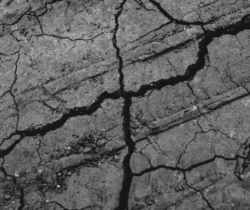
Why Ground Movement Puts Stress on Structures
Earthquakes cause the ground to move in unpredictable ways. This lateral and vertical movement creates uneven pressure on a home’s foundation. If the soil beneath your house shifts or settles differently under certain areas, it can result in cracks, tilting, or even complete foundation failure.
Soil Conditions and Earthquake Vulnerability
Certain soil types—like soft clay or fill—amplify the effects of earthquakes. Homes built on uneven or loosely compacted ground are more vulnerable to movement. Even small tremors can worsen pre-existing issues or reveal weaknesses in your foundation system.
Signs of Earthquake Damage in Your Foundation
Cracks, Shifting, and Other Red Flags
After seismic activity, be on the lookout for:
-
New or widening cracks in foundation walls, drywall, or flooring
-
Sloping or uneven floors
-
Doors and windows that suddenly stick or won’t latch
-
Gaps between walls, ceilings, or baseboards
-
Tilting chimneys or porches
Even if these symptoms seem minor, they may indicate a more serious issue.
Differences in Damage Based on Foundation Type
-
Slab Foundations: Prone to cracking or heaving during a quake
-
Crawl Space Foundations: Can shift, causing sagging floors or displaced piers
-
Basement Foundations: May experience wall bowing, cracks, or water intrusion from ground movement
Earthquake-Related Foundation Repair Solutions
Piering to Stabilize After Earthquakes
One of the most effective methods for repairing foundation movement is piering (also known as underpinning). Steel push piers or helical piers are driven deep into stable soil to lift and permanently stabilize the foundation. This solution is especially useful when the home has sunk unevenly due to ground shifting during an earthquake.
Crawl Space Repairs Following Earthquake Damage
If your home has a crawl space, seismic activity may have caused interior supports to shift or sink. Installing adjustable steel support jacks or concrete piers can help re-level floors and restore structural integrity. Crawl space encapsulation may also be recommended to control moisture and reinforce the area.
Reinforcing Walls and Fixing Cracks
For basement or slab foundations, cracks may be repaired with epoxy or polyurethane injections. In cases of bowing or leaning basement walls, additional reinforcement such as carbon fiber straps or wall anchors can prevent further damage and provide long-term stability.
Do You Need to Worry About Earthquakes in Your Area?
Why Minor Seismic Activity Still Matters
Even if you don’t live in a major fault zone, small tremors or ground shifts can still cause problems over time. Earthquakes aren’t the only reason soil moves—heavy rain, drought, and poor drainage can also weaken the soil around your foundation.
The Importance of a Professional Inspection
You don’t have to wait until a big crack appears to act. If you suspect movement or see signs of damage, a foundation inspection can provide peace of mind. Catching problems early can save you from costly repairs in the future.
Protecting Your Home from Future Earthquakes
Maintenance Tips and Long-Term Strategies
-
Maintain proper drainage away from your foundation
-
Check for signs of settlement after heavy rain or seismic activity
-
Reinforce vulnerable areas before issues arise
-
Address small cracks or changes before they become major concerns
When to Call a Foundation Expert
If you've noticed any of the signs mentioned above—or you're unsure if a recent earthquake has affected your home—it's best to have your foundation assessed by a professional. Foundation repair specialists can determine whether repairs are necessary and recommend the best solution for your specific situation.
Concerned About Earthquake Damage? We’re Here to Help.
Our contractors offer reliable and professional foundation repair services, including piering, crawl space stabilization, and crack repair. Whether you're dealing with the after-effects of an earthquake or want to stay ahead of potential issues, we’re here to help you protect your home from the ground up.
Find a local contractor today to schedule an inspection or to learn more about how we can assist you.