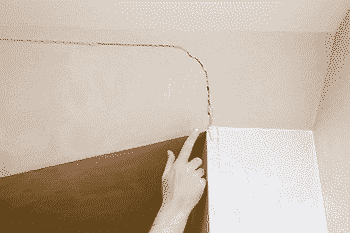
Ceiling Cracks: Superficial or Super Worrisome?
Cracks in the ceiling can be unsettling — but not all of them are signs of major trouble. Some are completely harmless, while others might point to deeper issues like water damage or foundation settlement. Knowing the difference can help you take the right action without unnecessary stress.
Foundation problems can occur for a variety of reasons, ranging from improper construction to changes in the soil that supports the foundation. If you're unsure whether or not your ceiling cracks are cause for concern, it's always best to consult with a professional.
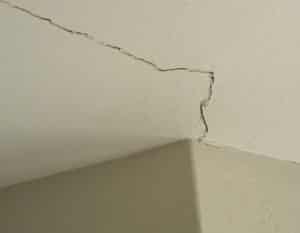
How to Know if Ceiling Cracks are A Serious Problem
In order to tell if a crack is a symptom of a serious structural issue, you must first know where to look. Here are some of the key clues that can help you piece together the mystery.
How Wide and Deep Are the Ceiling Cracks?
In general, a good rule of thumb is the wider the crack, the worse the news. Similarly, if the crack only seems to go through a layer of paint or plaster, it probably isn't serious. Plenty of ugly, shallow spiderweb ceiling cracks are caused by nothing more than the accumulated effect of changing seasons on a plaster ceiling. Cracks wider than 1/8 inch or with visible depth should be monitored closely or professionally inspected.
Where Are the Ceiling Cracks Located?
If there is one place where cracks tend to have a simple, non-structural cause, it is along the seams in a drywall ceiling. Sometimes, these are caused by material shrinkage over time. Sometimes, improper installation can cause cracks along the seam early in the ceiling's life. Beyond that, however, more nuance is needed.
For instance, cracks in the middle of the ceiling, rather than those emanating from a wall or corner, are unlikely to be foundation problems. They could, however, be caused by a plumbing leak, which could eventually lead the ceiling to collapse.
Similarly a hairline crack from a corner or wall could be a product of a normal amount of foundation settlement. A wider crack in this same area, however, could be a sign of foundation failure. One more location to watch out for: anything larger than a hairline crack that extends from the ceiling down a wall should be looked at by a foundation expert. This includes cracks that continue into the molding or trimwork.
Are your ceilings bowed?
If you notice a bow in your ceiling along with visible signs of cracking, that is a sign of a large problem. The joints in a home can only support a certain amount of weight. Once that weight is surpassed, the support weakens, the ceiling sags, and before you know it the ceiling could collapse. Sagging is also associated with water damage, which can also cause problems that include ceiling collapse.
Is the Crack Growing?
Hairline cracks generally aren't a sign of serious problems. Hairline cracks that are growing and widening, however, could be an early warning of a serious problem. Keep an eye on any ceiling cracks to make sure they aren't getting larger. Most major problems that cause ceiling cracks will only get worse over time, causing the cracks to widen. Take a photo with a ruler next to the crack and compare it every few weeks. This will help you measure changes and document growth.
Is There Discoloration Near the Crack?
This issue points to one particular cause: water issues. If you see a crack or series of cracks with discoloration around them, especially if the area feels moist, you probably have a leak, perhaps in a pipe, perhaps in your roof depending upon the location. Regardless, it must be addressed quickly.
What To Do If You Think Your Ceiling Cracks are Serious
If your ceiling cracks show signs of being more than cosmetic — like widening, sagging, or discoloration — don’t wait. Schedule a free inspection with a trusted contractor. If moisture is involved, call a local plumber right away.”
In many cases, ceiling cracks are not a cause for concern, but it's always best to have a professional evaluation. To make the process simple and stress-free My Foundation Repairs offers an easy to use database to connect you with an experienced contractor in your area. These experts will be able to evaluate the crack to determine if it’s caused by a foundation issue or other factors, providing you a clear understanding of what you are looking at and outling available options if there is a problem.
Simply click the button below and enter your zip code. Then you can pick from our list of preferred contractors or we can put you in touch with one from our nationwide network well equipped to handle foundation problems.